
When it comes to ensuring the efficiency and longevity of your HVAC system, scheduling a timely HVAC tune-up near you is paramount. This comprehensive guide delves into the intricacies of HVAC tune-ups, shedding light on the benefits, warning signs, and essential processes involved.
Get ready to embark on a journey that will revolutionize the way you perceive HVAC maintenance.
Importance of HVAC Tune-Ups
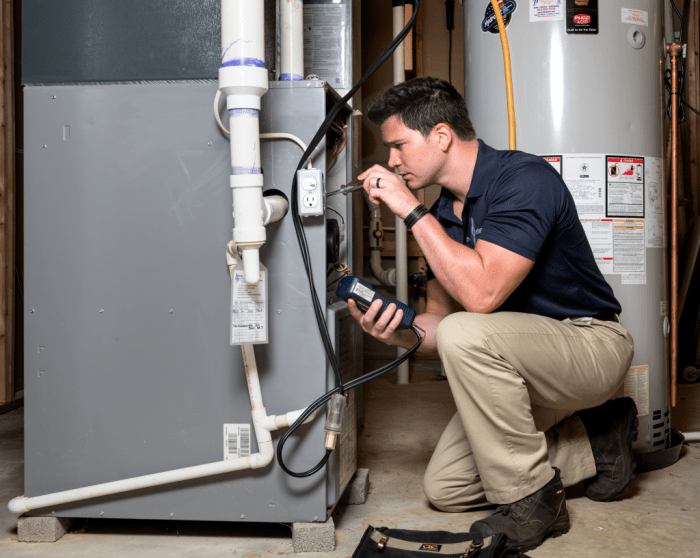
Regular HVAC tune-ups are crucial for maintaining the efficiency and longevity of your heating, ventilation, and air conditioning system. Here are some key reasons why HVAC tune-ups are essential:
Improved Energy Efficiency
- During a tune-up, HVAC technicians clean and inspect various components of your system, ensuring that everything is running smoothly.
- By identifying and addressing any issues or inefficiencies, tune-ups help your HVAC system operate more efficiently, reducing energy consumption and lowering your utility bills.
- Regular maintenance can also prevent major breakdowns that can lead to increased energy usage as the system struggles to function properly.
Prolonged Lifespan of the System
- By regularly servicing your HVAC system, you can extend its lifespan and delay the need for costly repairs or replacements.
- Tune-ups help prevent wear and tear on the components of your system, ensuring that they continue to function effectively for years to come.
- Addressing minor issues early through tune-ups can prevent them from escalating into major problems that could shorten the overall lifespan of your HVAC system.
Signs That Indicate the Need for an HVAC Tune-Up
Regular maintenance of your HVAC system is crucial to ensure it operates efficiently and effectively. Ignoring signs that indicate the need for a tune-up can lead to costly repairs or even premature system failure. Here are some common indicators that suggest your HVAC system requires a tune-up:
Unusual Sounds
If you start hearing strange noises coming from your HVAC system, such as grinding, squealing, or banging sounds, it could be a sign that components are wearing out or malfunctioning. Ignoring these sounds can lead to further damage and potentially expensive repairs.
A professional tune-up can help identify and address the issue before it worsens.
Poor Airflow
Another sign that your HVAC system needs a tune-up is poor airflow. If you notice weak airflow from your vents, uneven heating or cooling in different rooms, or hot and cold spots throughout your home, it could indicate a problem with your system.
This could be due to clogged filters, ductwork issues, or a malfunctioning blower motor. A tune-up can help improve airflow and ensure your system is functioning properly.
Process of an HVAC Tune-Up
When it comes to an HVAC tune-up, there are several important steps involved to ensure your system is running efficiently and effectively.
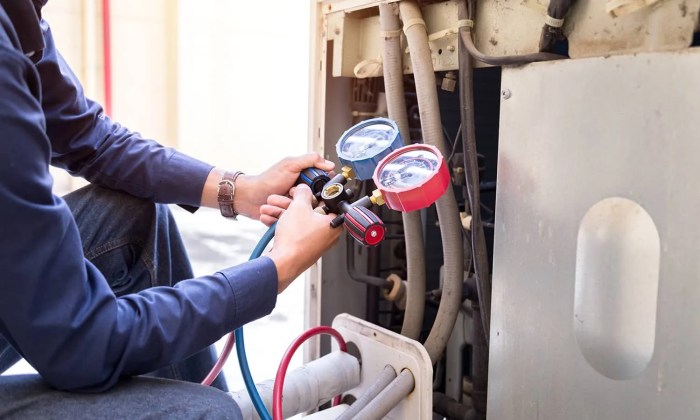
Checking Refrigerant Levels
One crucial aspect of an HVAC tune-up is checking the refrigerant levels in your system. Proper refrigerant levels are essential for the cooling process to work efficiently. Low refrigerant levels can lead to decreased cooling capacity and increased energy consumption.
Additionally, if there is a leak in the system, it needs to be identified and repaired to prevent further damage.
Inspecting and Cleaning HVAC Components
Another vital step in an HVAC tune-up is inspecting and cleaning various components of the system. This includes checking the air filters, coils, blower motor, and other parts for any dirt or debris buildup. Cleaning these components ensures proper airflow and improves overall system performance.
Additionally, inspecting these parts allows for early detection of any potential issues that may arise in the future, preventing costly repairs down the line.
Importance of Hiring Professional Services
When it comes to HVAC tune-ups, hiring professional technicians is crucial for ensuring the optimal performance and longevity of your heating and cooling system. Below are some reasons why it’s essential to leave HVAC tune-ups to the experts:
Potential Risks of DIY HVAC Tune-Ups
Attempting to perform HVAC tune-ups yourself can lead to various risks and complications, such as:
- Incorrect adjustments or settings that can result in inefficiency or damage to the system.
- Failure to detect underlying issues that could lead to costly repairs in the future.
- Safety hazards due to mishandling of electrical components or refrigerants.
Thorough and Efficient Services by Certified Technicians
Certified HVAC technicians have the expertise and training to provide thorough and efficient tune-up services, including:
- Inspecting and cleaning all components of the HVAC system to ensure proper functioning.
- Identifying and addressing any potential problems before they escalate into major issues.
- Performing necessary adjustments and maintenance tasks to improve the overall efficiency of the system.
Last Word
In conclusion, prioritizing regular HVAC tune-ups near you is the key to unlocking optimal performance and durability for your system. By staying proactive and enlisting professional services, you can enjoy a comfortable indoor environment while maximizing energy savings. Don’t wait until issues arise – take charge of your HVAC system today and reap the rewards of a well-maintained unit.
FAQ Section
What are the benefits of regular HVAC tune-ups?
Regular HVAC tune-ups enhance system efficiency, reduce energy consumption, and prolong the lifespan of your HVAC unit.
How can poor airflow indicate the need for an HVAC tune-up?
Poor airflow often signifies clogged filters or ductwork issues, highlighting the necessity for a professional HVAC tune-up to optimize airflow.
Why is it crucial to hire professional technicians for HVAC tune-ups?
Professional technicians possess the expertise to conduct thorough inspections, identify potential issues, and ensure efficient tune-up services, safeguarding the longevity of your HVAC system.