
Home exteriors roofing play a vital role in not just protecting our homes from the elements, but also in enhancing their visual appeal. In this detailed guide, we will delve into the world of roofing, exploring its importance, different materials, design options, and maintenance tips.
Get ready to discover the key to a sturdy and stylish roof for your home.
Importance of Home Exteriors Roofing
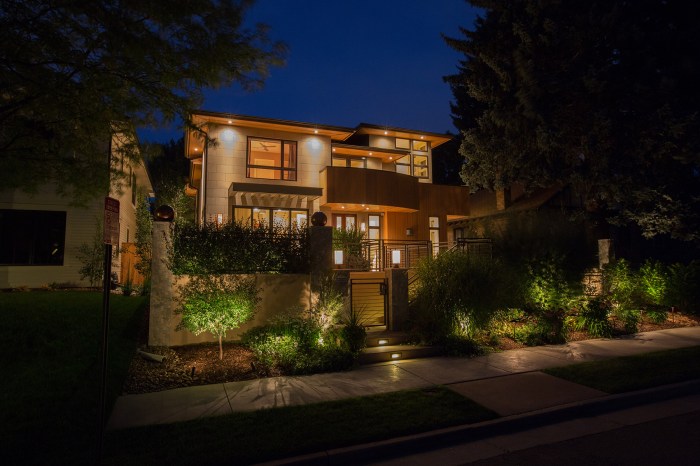
Roofing is a crucial aspect of home exteriors as it serves both functional and aesthetic purposes. A well-maintained roof not only protects the house from elements like rain, snow, and sun but also enhances the overall appearance of the property.
Aesthetics and Functionality
The type of roofing material used can greatly impact the curb appeal of a house. Different architectural styles require specific roofing options to maintain the design integrity of the property. Additionally, a properly installed roof ensures the structural integrity of the house, preventing leaks and water damage.
Choosing the Right Roofing Materials
It is essential to select the right roofing materials based on the climate of the region. For example, areas prone to high winds may require more durable materials like metal roofing, while regions with heavy snowfall may benefit from materials that prevent ice dams.
Considering the architectural style of the house is also crucial to ensure a cohesive look.
Types of Roofing Materials
When it comes to choosing roofing materials for your home exteriors, there are several options available, each with its own pros and cons. Here, we will discuss common roofing materials used, their durability, maintenance requirements, and cost implications.
Asphalt Shingles
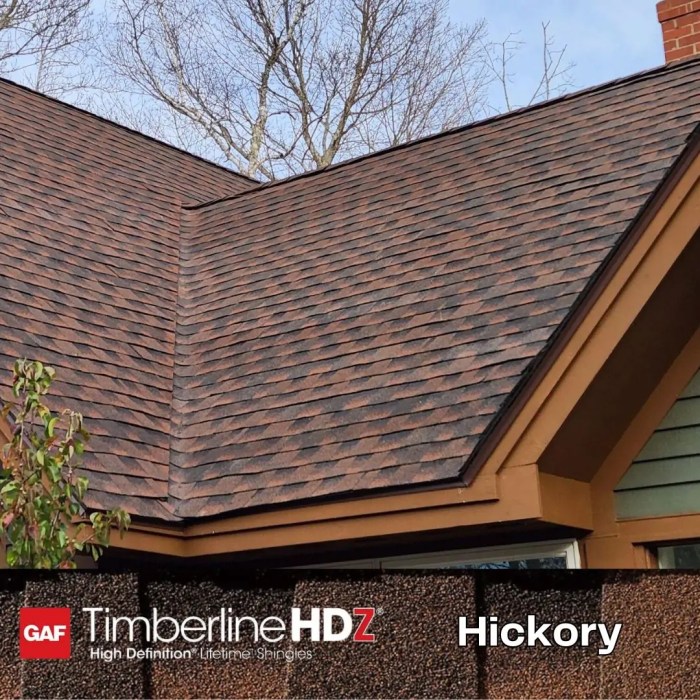
Asphalt shingles are the most popular roofing material due to their affordability and ease of installation. They come in a variety of colors and styles, making them a versatile choice for many homeowners. However, asphalt shingles have a shorter lifespan compared to other materials and may require more frequent maintenance.
Metal Roofing
Metal roofing is known for its durability and longevity, lasting up to 50 years or more with proper maintenance. While the initial cost of metal roofing may be higher than other materials, the long-term savings on maintenance and energy efficiency make it a cost-effective option in the long run.
Wood Shingles
Wood shingles provide a natural and rustic look to a home but require more maintenance compared to other materials. They are susceptible to rot, mold, and insect damage, so regular inspections and treatments are necessary to ensure their longevity. The cost of wood shingles can vary depending on the type of wood used.
Clay or Concrete Tiles
Clay or concrete tiles offer a durable and fire-resistant option for roofing. They are known for their longevity and low maintenance requirements. However, the weight of these tiles may require additional structural support, increasing the overall cost of installation. Despite the higher upfront cost, clay or concrete tiles can last for decades with minimal upkeep.
Slate Roofing
Slate roofing is one of the most durable roofing materials available, with a lifespan of up to 100 years or more. While the initial cost of slate roofing is high, its longevity and classic appearance make it a worthwhile investment for many homeowners.
Slate roofs require little maintenance and are resistant to fire and weather damage.
Roofing Design and Styles
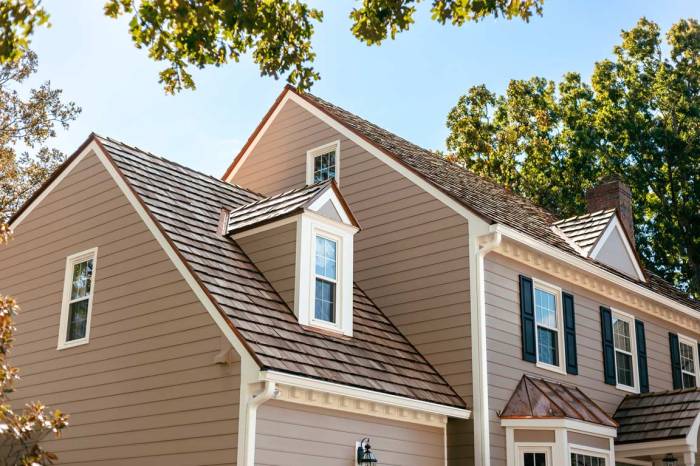
When it comes to roofing design and styles, there are various options available to enhance the overall look of your home. The right roofing design can significantly impact the curb appeal and architectural aesthetics of a house, making it a crucial aspect of your home exterior.
Traditional Roofing Styles
Traditional roofing styles such as gable, hip, and mansard roofs are timeless choices that work well with a wide range of home designs. These styles offer a classic and sophisticated look, adding charm and character to your home.
Modern Roofing Designs
For a more contemporary look, modern roofing designs like flat roofs, shed roofs, and butterfly roofs are popular choices. These designs often feature clean lines and minimalistic aesthetics, giving your home a sleek and stylish appearance.
Choosing the Right Roofing Design
When selecting a roofing design for your home, consider factors such as the architectural style of your house, the local climate, and your personal preferences. It’s important to choose a design that complements the overall exterior of your home and enhances its visual appeal.
Roofing Installation and Maintenance

When it comes to roofing, proper installation and regular maintenance are key factors in ensuring the longevity and effectiveness of your roof. Here, we will delve into the process of installing a new roof, the importance of regular maintenance, and provide tips for DIY maintenance as well as knowing when to seek professional help.
Roofing Installation Process
- 1. Preparation: The first step involves removing the old roofing material, inspecting the roof deck for any damage, and making necessary repairs.
- 2. Underlayment Installation: Installing a waterproof barrier to protect the roof deck from water infiltration.
- 3. Shingle Installation: Whether it’s asphalt, metal, or tile shingles, proper installation is crucial for the roof’s durability and effectiveness.
- 4. Ridge Vent Installation: Ensuring proper ventilation for the attic space to prevent moisture buildup.
Importance of Regular Maintenance
Regular maintenance is essential to prolonging the lifespan of your roof and preventing costly repairs. Here are some reasons why maintenance is crucial:
- 1. Prevent Leaks: Regular inspections can help identify and fix any potential sources of leaks before they cause significant damage.
- 2. Extend Lifespan: Routine maintenance can help extend the lifespan of your roof, saving you money in the long run.
- 3. Preserve Curb Appeal: Keeping your roof well-maintained enhances the overall appearance and value of your home.
Tips for DIY Roof Maintenance and When to Seek Professional Help
- 1. Clean Gutters Regularly: Clogged gutters can lead to water damage, so make sure to clean them out at least twice a year.
- 2. Inspect for Damage: After severe weather, inspect your roof for any signs of damage such as missing shingles or cracks.
- 3. Trim Overhanging Branches: Tree branches hanging over your roof can cause damage, so keep them trimmed to prevent any issues.
- 4. Know When to Call a Professional: If you notice significant damage, leaks, or any other issues beyond your DIY capabilities, it’s best to call a professional roofer to assess and address the problem.
Closing Summary
As we wrap up our discussion on home exteriors roofing, it’s clear that this component is more than just a protective covering—it’s a design statement. By choosing the right materials, design, and maintenance practices, you can ensure your roof not only lasts long but also adds to the overall charm of your home.
Here’s to creating a roof that’s both functional and fabulous!
FAQ Overview
What are the best roofing materials for hot climates?
Opt for materials like clay tiles or metal roofs that can withstand high temperatures and UV exposure effectively.
How often should I inspect my roof for potential issues?
It’s recommended to inspect your roof at least twice a year, preferably in spring and fall, to catch any problems early.
Can I install a new roof over the existing one?
While possible in some cases, it’s generally not advisable as it can void warranties and may not address underlying issues.